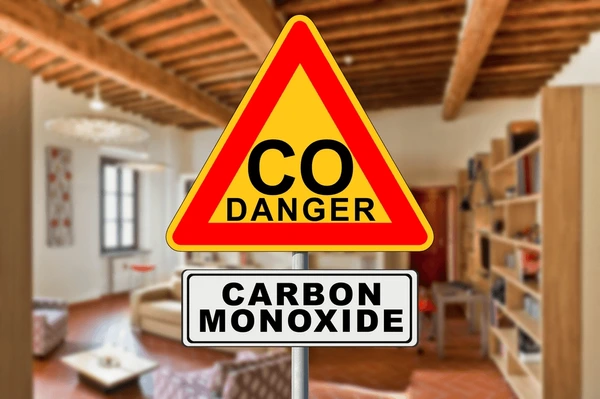
When it comes to home safety, knowing how to know if a carbon monoxide detector is working might be one of the most important things you can learn. In high concentrations, carbon monoxide (CO), an odorless, tasteless, and invisible gas, can be fatal. We are completely dependent on carbon monoxide detectors to keep us safe because our senses are unable to detect it. The problem is that installing a detector alone is insufficient. You must frequently verify that it is operating correctly.
Everything you need to know about carbon monoxide detectors will be covered in this article, including their definition, operation, and—above all—how to determine whether a detector is functioning properly.
What Is A Carbon Monoxide Detector And Why Is It Important?
Let’s first discuss what carbon monoxide detectors do and why they’re so important before we get into the nuts and bolts of how to know if a carbon monoxide detector is working.
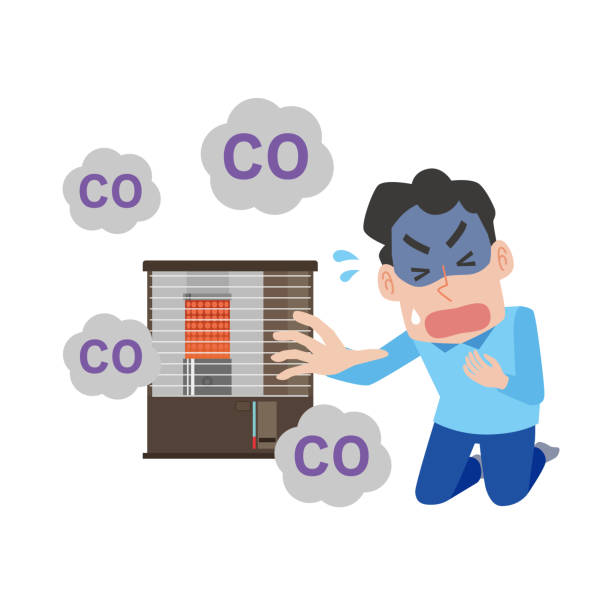
When fuels like coal, oil, wood, or gas don’t burn all the way through, carbon monoxide (CO), an odorless and colorless gas, is created. Stoves, water heaters, fireplaces, and gas heaters are typical domestic sources. CO can build up in your home without warning because you can’t see or smell it, and breathing it in can be deadly.
A carbon monoxide detector can help with that. Similar to a smoke alarm, it detects dangerous CO gas levels and sounds a loud alarm when those levels become unsafe rather than detecting particles from a fire. Without one, it might be too late before you discover a leak.
In summary, it is imperative that you have a carbon monoxide detector. Every year, hundreds of people suffer from carbon monoxide poisoning, and sadly, many don’t survive. That’s why it’s not enough to just own a detector—it must be working correctly.
How To Know If a Carbon Monoxide Detector Is Working
Because your CO detector is mounted and appears clean, you might think it’s working. Regretfully, these gadgets may malfunction without warning, particularly if their batteries are low or they have passed their expiration date. The following are the most dependable methods to guarantee that yours is completely functional:
Use The Test Button
The quickest and easiest way to make sure your CO detector is operational is to do this. A “test” button is included with every certified carbon monoxide detector. Within a few seconds of pressing it, a loud, piercing alarm should sound.
- The internal circuitry and speaker of the detector are functioning if the alarm is audible.
- Something is wrong if it delays, chirps weakly, or doesn't make any sound at all.
Make sure to:
- For at least five seconds, hold down the test button.
- Every month, test the device.
- After replacing the battery or experiencing a power outage, repeat the procedure.
However, keep in mind that the test button does not confirm whether the gas sensor itself can still detect CO; it only confirms whether the electronics are operating.
Check The Indicator Lights
The majority of contemporary CO detectors have LED indicators that use color to convey status:
- Green: Functioning as usual.
- Solid or Flashing Red: CO detected or alarm mode activated.
- Orange or Yellow: A malfunction, end-of-life alert, or low battery.
Additionally, some units occasionally chirp when something is amiss. Don’t disregard these indicators! Another clever method to determine whether your device is functioning is to understand what the lights indicate, which is typically stated in the manual or on the detector’s back.
However, keep in mind that the test button does not confirm whether the gas sensor itself can still detect CO; it only confirms whether the electronics are operating.
Inspect The Battery
Power problems are a major cause of detector failure, regardless of whether you’re using a hardwired detector with a backup battery or one that runs on batteries. Here’s what to look for:
- Every six to twelve months, or sooner if the device chirps, change the 9V or AA batteries.
- Cheap batteries can drain more quickly, so use high-quality ones instead.
- Your detector doesn't need to be replaced if it has a sealed 10-year battery, but after ten years, you'll need to replace the entire device.
Additionally, note that it’s time to replace the battery if you can’t recall when you last did so.
Check The Expiration Date
Carbon monoxide detectors do have an expiration date. Even if the gadget appears brand new, the internal sensors deteriorate and lose their sensitivity over time.
- Depending on the brand, most detectors last between five and ten years.
- Look for the date of manufacture or expiration printed on the back or side.
- Replace it right away if it is older than the suggested lifespan.
Avoid waiting until it’s too late. A detector that has expired is not much more useful than one that has never been used.
Use A Carbon Monoxide Test Kit
Do you want to take it a step further? Make use of a carbon monoxide test kit, which can be purchased online or at home improvement stores. To check whether your detector is correctly detecting CO, these kits safely release a small, controlled amount of the gas.
- Carefully follow the directions, and afterward, make sure the space is ventilated.
- Depending on the gas concentration, a functional detector should sound the alarm in 10 to 15 minutes.
- Replace the detector if there is no response.
By simulating actual CO exposure, this approach provides greater assurance than simply pressing the test button.
Check With Your Smart Home App (For A Smart Detector)
You’re in luck if you have a smart CO detector installed, such as Kidde RemoteLync or Nest Protect. These devices provide extra comfort by:
- Delivering notifications straight to your phone.
- Executing self-checks automatically.
- Displaying device health and battery level on your app dashboard.
You’re safe if your app displays “all clear.” However, it will typically alert you immediately if there is a malfunction or a connectivity problem. This is among the greatest choices for remote monitoring and contemporary homes.
Schedule A Professional Inspection
Make an appointment for an inspection with a certified HVAC or home safety technician if you want the highest level of assurance, particularly in homes with gas appliances, fireplaces, or older detectors. They will:
- Use specialized equipment to test your detector.
- Look for any hidden CO leaks in your house.
- If necessary, suggest replacements or placement adjustments.
This is particularly crucial in the lead-up to winter, when the risk of CO exposure rises due to the increased use of heaters and fireplaces.
Conclusion
You cannot afford to take any chances when it comes to carbon monoxide. Therefore, understanding how to know if carbon monoxide detector is working is crucial for every household is essential for every home. In the event of a CO leak, a functional detector could be the difference between life and death. Simple actions that offer peace of mind include testing the device on a regular basis, making sure the indicator lights are on, changing the batteries, and making sure the device hasn’t expired.
Use your linked app to perform diagnostics or get real-time alerts if you have a smart detector. Do you want to go above and beyond? To make sure you’re not depending on a defective gadget, use a carbon monoxide test kit or arrange for a professional inspection. The best defense against an unseen threat is ultimately to be informed and proactive.
Now that you know how to determine whether a carbon monoxide detector is functioning, take a moment to take action. Make sure your house is safe this winter by getting in touch with Surrey Air now, before it’s too late.