When choosing how to heat their homes effectively and comfortably, many Australian homeowners consider the cost of hydronic vs ducted heating.
Your property layout, personal preferences, and budget all play a role in selecting the best system. You can avoid costly mistakes by being aware of the distinct benefits and drawbacks of both options.
We’ll examine installation costs, advantages, disadvantages, and which system might be most appropriate for your house as we compare ducted heating and hydronic heating in this guide.
What Is Hydronic Heating?
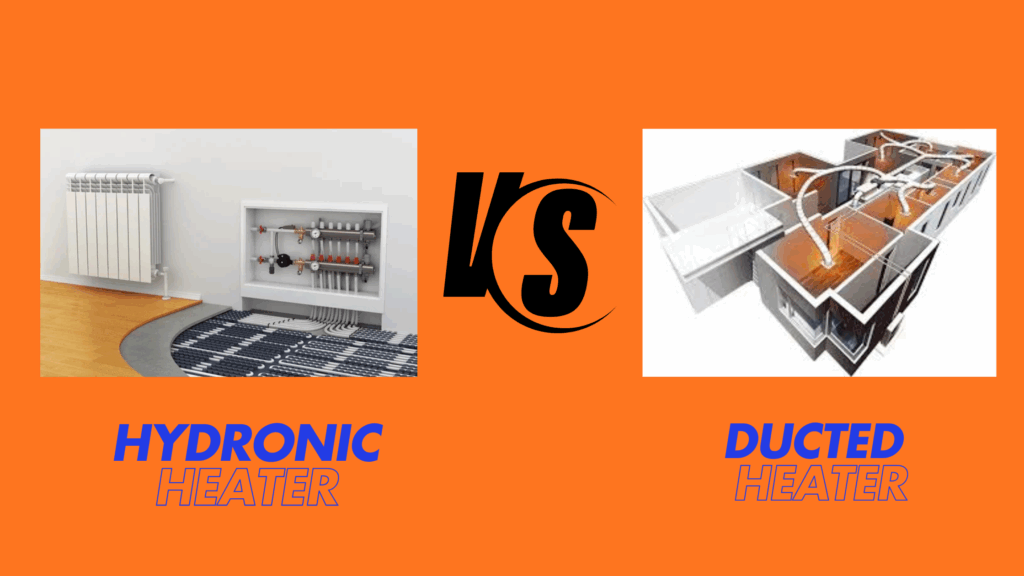
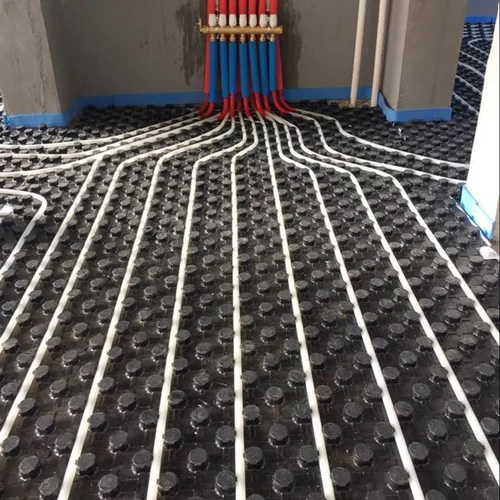
To begin with, hydronic heating is a central heating system that warms your house using water heated by a boiler. Warm water is circulated to radiators or underfloor systems via pipes that run along walls or under floors, distributing heat evenly throughout your room.
Consistent warmth, energy efficiency, and the comfort of radiant heat without the need for forced air are the hallmarks of hydronic systems.
Benefits Of Hydronic Heating
Hydronic heating is a popular option for both new construction and renovations because it provides a number of noteworthy benefits.
Reduced Allergy Symptoms
Dust and other allergens are not released into the air by hydronic heating. For instance, because hydronic systems prevent dust particles from being blown throughout the house, families with allergy sufferers frequently choose them.
Improved Indoor Air Quality
Similarly, hydronic systems maintain better indoor air quality because they don’t require fans or air ducts. Children, senior citizens, and those with respiratory disorders will particularly benefit from this.
Very Quiet
Silent operation is an additional benefit. You can enjoy the warmth without being disturbed because there are no loud blowers or fans. Because of this, hydronic heating is perfect for places where quiet is important, like offices, study spaces, and bedrooms.
Perfect For a New Construction Project
The most effective use of hydronic heating occurs during building or remodelling. In new construction, it is simpler to lay pipes beneath floors, facilitating a smooth and effective installation procedure.
Efficient Zone Control
With the help of hydronic systems’ effective zoning options, you can heat particular rooms of your house as needed. This lowers energy waste while simultaneously increasing comfort.
Lower Energy Consumption
Hydronic heating frequently uses less energy than forced-air alternatives because the system efficiently heats and distributes water. Homes with underfloor systems, for instance, can use less electricity to maintain a constant temperature.
No Heat Loss
Lastly, the goal of hydronic systems is to reduce heat loss. In contrast to ducted systems, where heat may escape through ducts, the warmth is radiated straight from floors or panels.
Drawbacks Of Hydronic Heating
Hydronic heating has certain drawbacks despite its benefits.
Longer Warm-up Time
First off, compared to ducted heating, hydronic systems may take longer to heat a space. The duration required for water to circulate and radiate heat throughout the rooms is the reason for this.
Less Suitable For Temperature Setbacks
In a similar vein, hydronic systems react less quickly to temperature changes. The system might not adjust right away if you want to quickly lower the temperature before leaving the house.
Regular Maintenance Is Necessary
To keep the boiler, pipes, and radiators operating effectively, hydronic heating needs to be serviced on a regular basis. Ignoring maintenance can shorten system life and raise energy costs.
Limited Accessibility of Piping
Lastly, it can be difficult to get to the pipes for maintenance or improvements, particularly in older homes. Hydronic heating retrofitting can be costly and time-consuming.
What Is Ducted Heating?
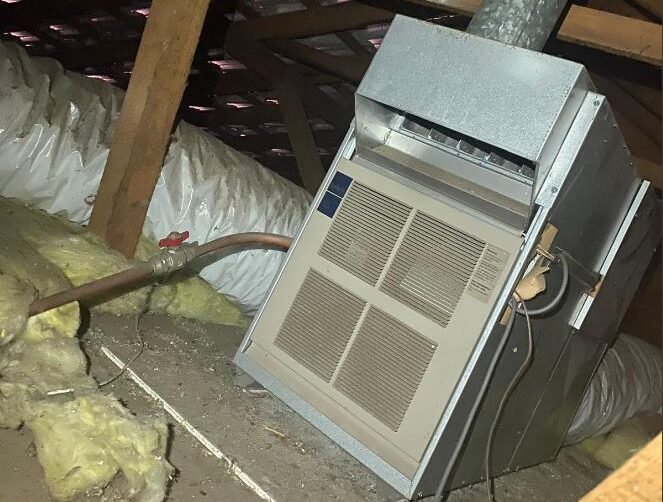
A central heater heats the air for ducted heating, a forced-air system that distributes the heated air to vents in each room via ducts. Large areas can be swiftly covered by the system, which offers precise temperature control and constant warmth.
Due to its adaptability and quick heating capabilities, ducted heating is frequently found in both newly constructed and remodelled homes throughout Australia.
Benefits Of Ducted Heating
Homeowners are drawn to ducted heating because of its many benefits.
Fast And Reliable
First, ducted systems provide rapid heating for your house. Unlike radiant systems like hydronic heating, warm air is forced through vents and reaches each room more quickly.
Great For Renovations And New Builds
In a similar vein, ducted heating is effective for both new construction and remodelling. For homeowners upgrading their heating, installing ducts in an existing property is a more appealing option because it is easier to do than retrofitting hydronic piping.
Adaptive Zoning Technology
Zoning options are frequently included with ducted systems, enabling you to regulate the temperature in various spaces. For instance, living areas can stay warm at night while bedrooms are kept colder.
Aesthetic Appeal
Ducted heating is also discrete. In order to maintain a sleek and contemporary appearance without the need for large radiators or heaters, vents are typically flush with ceilings or floors.
Drawbacks Of Ducted Heating
Ducted heating has drawbacks to take into account despite its advantages.
A Lack Of Cooling
You might require a separate cooling system for the summer because some ducted systems only provide heating. Although they are available, integrated reverse-cycle systems increase installation expenses.
Installation Might Be Challenging
It can be challenging to install ductwork in existing homes, particularly in areas where walls or ceilings are difficult to reach. This could raise initial expenses.
Higher Running Costs For Older Units
Older ducted heating systems may use more energy and cost more to operate. To preserve effectiveness and extend system life, routine maintenance is necessary.
Maintenance Requirements
For ducted systems to function effectively, filter changes, duct cleaning, and expert servicing are necessary. Higher energy costs and uneven heating can result from neglected maintenance.
Cost Of Hydronic Heating Vs Ducted Heating
Let’s now address the crucial query: cost of hydronic heating vs ducted heating. System size, installation difficulty, property type, and energy efficiency are some of the variables that affect costs.
Due to pipework and underfloor heating integration, hydronic heating typically has higher installation costs; for a typical-sized home, these costs can range from AUD 15,000 to AUD $30,000. However, because of its effective water circulation and low heat loss, it can eventually result in lower operating costs.
However, depending on zoning and system size, ducted heating typically has lower upfront costs, ranging from AUD 8,000 to 20,000. The age and efficiency of the system affect running costs; older units use more energy. In addition to offering quick and dependable heating, contemporary ducted systems with zoning and smart thermostats can be reasonably priced.
Weighing the initial investment against long-term savings is necessary when choosing between the two. For instance, hydronic heating might be worth the higher initial cost if you want quiet operation and little maintenance. On the other hand, ducted heating might be a better option if you value quick heating and simpler retrofitting.
The cost of hydronic heating vs ducted heating should also factor in energy bills, maintenance requirements, and lifestyle preferences to make an informed decision.
Which Is Better For Your Home?
Choosing the right system for your house depends on a number of factors.
The Price Of Installation And Your Budget
Assess your budget first. Ducted heating might be a better option if up-front expenses are a big worry. Hydronic heating might be more cost-effective if comfort and long-term efficiency are your top concerns.
Is The Property New Or Existing?
Because hydronic systems make pipe integration simpler, they are perfect for new construction. Although retrofitting ducts in older homes can be difficult, ducted heating is adaptable and can be installed in both new and existing homes.
Infrastructure Of The Property
Your home’s construction is also important. For instance, installing underfloor hydronic heating might be more difficult if your floors are solid. Both systems require careful planning because ducted systems need space in the ceiling for ductwork.
Zoning Particular Areas
Lastly, think about the parts of your house that require heating. Although both systems allow for zoning, ducted systems provide quick temperature changes, while hydronic systems are excellent at delivering consistent warmth in particular zones. Which option is best for you will depend on your household habits and heating goals.
Conclusion
In conclusion, weighing installation expenses, energy efficiency, maintenance needs, and individual comfort preferences is necessary when comparing the costs of hydronic heating vs ducted heating.
Although hydronic heating has higher initial installation costs, it provides quiet, reliable warmth, better air quality, and eventually lower operating costs. Although older units may have higher operating costs and require more frequent maintenance, ducted heating offers quick, dependable heating with flexible zoning and simpler retrofitting.
The ideal system for your house ultimately depends on your lifestyle requirements, property layout, and budget. You can find the most comfortable and economical solution by speaking with an expert.
With Surrey Air’s extensive heating services, you can stay cozy all year long. Our staff offers expert installation, repair, maintenance, and servicing customised for your home, whether you’re looking for hydronic or ducted heating.
We can help you with everything from making sure your system operates effectively to managing urgent repairs. Get in touch with Surrey Air right now to enjoy dependable, cost-effective heating without having to wait until winter arrives.