Google reviews icon
Google Rating
4.7
Rated 4.5 out of 5
Converting gas ducted heating to electric

Transform Your Home: Convert Gas Ducted Heating to Electric!

Previously Published on: June 14, 2023 | Updated on: November 11, 2024

This article was updated to include the latest information on electric heating technologies and government incentives available for homeowners in 2024-2025.

Gas-ducted heating systems have served us with warmth and cosiness for many years. Instead of paying regard to years-long services and sticking to them, now, we hear many bustling noises to convert gas-ducted heating to electric systems. 

Time has changed. New types of heating systems with advanced technology enter the market each year. The systems are becoming thermal and energy efficient and make our homes fit for living. In Melbourne, where heating systems are a must for survival during winter and technologically smarter electronic systems are readily available, over 2 million homes in Victoria continue to use gas-ducted heating systems. 

The Victorian State Government is supporting the conversion of gas-ducted heating to electric. The Victorian Energy Upgrades (VEU) program also provides up to $420 rebates to electrify your home. Recent statistics have shown a significant rise in the use of electric-heated systems. 

Among all the buzz, a question arises, “Is it worth converting gas-ducted heating to electric?” 

This article will answer all your questions regarding this problem. The discussion with proven facts will help the homeowners decide if switching is right for them. 

If you want to hire professionals to convert gas-ducted heating to an electric system, Surrey Air will guide you through all the project steps and ensure a smooth transition. 

This article enlists: 

  • A detailed comparison between gas and electric ducted heating systems.  
  • Factors driving conversion: Cost comparison, energy consumption, efficiency, and comfort are factors to consider in conversion. 
  • Steps in conversion. 
  • Challenges in conversion. 
  • Limitations to convert gas ducted heating to electric. 
  • Technological advancements in electric heating systems. 
  • Benefits of using electric ducted heating systems. 

Gas Ducted Heating System

The gas-ducted heating system is a central heating system. It consists of a heating unit- a gas furnace that uses natural gas to generate heat and then circulates the warm air through the ducts, passing through the roof and floor. 


Advantages

Disadvantages 

  • Efficient and quick heating
  • Uneven room temperature.
  • Zoning options
  • Altered air pressure.
  • Whole home heating
  • Risk of carbon monoxide poisoning. 
  • Energy efficient
  • Combustion of natural, nonrenewable energy resources. 
  • Thermostat features
  • Not a sustainable option to achieve thermal comfort. 

Electric Heating System

Electric heating systems use electricity as an energy source to produce heat. They are used for heating and cooling on residential and commercial levels. The common types of electric heating systems include heat pumps, boilers, radiators, and storage heaters. 


Advantages

Disadvantages 

  • 100% efficiency at the point of use.          
  • Slower heating time. 
  • Low environmental impact. 
  • Dependence on grid stability. 
  • Low maintenance
  • Performance limitations.
  • Precise temperature control
  • Some electric systems require more space.                                                                                                                          
  • Options for centralized/portable heating system. 
  • Higher cost of purchase and installation.


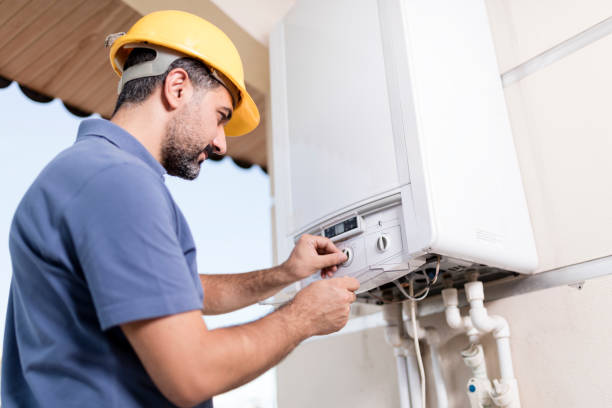
Surrey Air Technician converting gas ducted heating system to electric

Differences Between Gas Ducted Heating And Electric Heating

Gas Ducted Heating

Electric Heating 

Uses natural gas as a source of energy to generate heat.

Uses electricity as a source of energy to generate heat.

Relies on ductwork to circulate conditioned air.

Can work with or without ductwork, depending on the type of heating system. 

Complex installation process.

Easy installation.

Higher operational costs in areas where rates of natural gas are higher. 

Usually, electricity prices are higher, but electric heating systems are energy efficient, greatly reducing operational costs. 

Higher maintenance requirements.

Almost zero maintenance requirements. 

Severe environmental impact due to green gas emission. 

Almost zero environmental impact if electricity is not produced using nonrenewable resources.  

Efficient in cold temperatures, heat quickly, and maintain warmth consistently. 

More practical in mild climates, takes a bit longer in heating than gas ducted heating, and struggles in maintaining temperature. Maintains temperature using more energy.        


Factors Driving Conversion Of Gas-Ducted Heating Systems Electric Heating Systems:

If you are a gas ducted heating system user considering replacing it with an electric heating system, you must do your research. Despite the technological advances, some people still prefer using the gas ducted systems. 

Consider the following factors before making the conversion. 

1. Energy Needs Assessment:

The first step in converting your gas-ducted heating to electric is to assess and evaluate your existing system. Consider factors such as whether it was able to meet your home’s temperature requirements. If yes, you’ll only need to find an electric heating system of similar power; otherwise, you need to do some strict assessment.

To find an appropriate electric heating system, you can determine your home’s energy needs using its size, insulation level, and heating requirements. Miscalculation can cause problems with your home’s heating comfort in the future. Our expert can do an energy needs assessment for you! 

2. Cost Considerations:

Costing is among the most influential factors in converting gas-ducted heating to an eclectic system. Let’s take a holistic approach and assess all the costs of converting gas-ducted heating to an electric heating system. We will also discuss both systems’ operational, maintenance, and repair costs. 

cost comparison ducted gas heating and electric heating

Upfront Costs: 

Upfront or installation costs are the first price you’ll pay to get a heating system. 

Gas ducted heating systems have higher upfront costs, ranging between $4000 and $11000, as they involve the price of heating units, ductwork, and all other related services. The prices may vary depending on the home’s size and the project’s complexity. 

Electric heating systems have lower upfront costs, ranging between $2000 and $8000, and mostly require minimum plumbing work, except for under-the-floor heating systems. 


Maintenance Costs: 

Heating systems, like cooling systems, require regular maintenance. Experts recommend maintenance service at least once a year before the season starts to ensure optimum functionality. 

In Melbourne, Australia, a gas ducted heating system’s maintenance costs range between $200 and $350. Due to ductwork, the cost is higher than for an electric system. The price may increase if the ductwork is complicated or the home is large. Maintenance charges will also increase if some parts require repair or replacement. 

The maintenance cost for electric heating systems ranges from $150-$300. They don’t require much maintenance and can work perfectly without yearly maintenance services, too. 


Energy Costs: 

The energy cost determines the operational cost of the heating system. You can calculate it by multiplying the units consumed per unit of energy source cost. 

Energy cost varies from home to home depending on its size, level of insulation, and consumption. 


  • Gas Ducted Heating Cost: 

The average gas consumption of a medium-sized home using a gas-ducted heating system is around 100 megajoules (MJ) per day. The consumption is higher for bigger, or poorly insulated homes. 

The energy bill estimates for the gas ducted heating system concerning the home’s size are listed in the table below. 

Home’s Size

Annual Estimated Energy Bill

small house (~100m²)

$635

medium-sized house 

$935 to $1,250 

The energy bills for winter months are $80-$110 higher than usual due to increased consumption. 

Prices also vary on the gas provider. Check rates with your supplier for more accurate energy cost estimates. 

  • Electric Heating System Cost: 

Depending on the electric heating system’s efficiency and the home’s size, an average Melbourne home consumes 2000 kWh to 5000 kWh annually for an electric heating system. Based on this average energy consumption, the average annual electricity cost for the electric heating system is approximately $600 to $1500. 

The monthly electric heating costs of $50-$160 may peak up to $1300 during extreme cold days when energy requirements are higher. 

You can control the electric energy bills by installing solar panels that utilise sunlight to generate energy, drastically decreasing the energy bills.


Long Term Savings: 

Long-term savings depend on a heating system’s average lifespan. Often, longevity takes the lead over installation, maintenance, and energy costs, providing homeowners with savings and comfort.

A typical gas-ducted heating system may last 15-20 years, whereas an electric system may last 20-30 years. Electric systems with lower maintenance and a longer lifespan overcome their slightly higher energy costs and are great value for money. 

3. Electric Heating Options Available In The Market:

Melbourne experiences cold weather, with average temperatures of 6.5 – 14.2°C (43.7 – 57.6°F). The winds are chilly, and a heating system is a must to survive them. 

There are many advanced electric heating options readily available in the market. Explore each option, checking its energy star rating, energy consumption, and other factors to get the best one for your home. 


  • Heat Pumps and Reverse Cycle Systems:

This electric heating system provides centralized heating and cooling, providing thermal comfort all year. They are a good fit for Melbourne’s changing weather. 


  • Electric Wall and Panel Heaters:

Electric wall and panel heaters are a good option for small spaces. They are portable and can be moved anywhere in the home for heating specific areas. 


  • Electric Ducted Heating:

Like gas-ducted heating, electric ducted heating uses ducts to circulate warm air into the living spaces. This electric heating system is quite common in Melbourne homes as they provide efficient, and centralised heating for the whole home. 


  • Electric Broilers: 

Electric boilers are comfortable, quiet, and efficient. When combined with underfloor heating and towel rails, they are good for temperature control. 

4. Compatibility With The Infrastructure:

Converting gas ducted heating to electric requires that the new system be compatible with your home’s plumbing and electric work. A new system can integrate and work without going over the mile or spending a lot of money on installation. 

5. Electrical Capacity:

Old Victorian homes have an electrical capacity of 60-120 amps, which isn’t enough to handle an electric heating system. Check if your home can handle the additional load and has dedicated circuits that support high power usage. Ensure wiring is up to code and capable of supporting the increased electric load. 

6. Environmental Considerations:

It’s a mutual responsibility to take care of our mother earth. We must be conscious and choose environmentally friendly options that have zero or minimum carbon imprint. Gas is a nonrenewable, limited natural resource that creates a higher carbon imprint than electric heating systems. 

Although electric heating systems have zero carbon imprint at the point of use, they may have an environmental impact at the back end. If electricity is made using non-renewable resources, it is harmful to the environment. 

Electric heating systems are more efficient and have less energy wastage which makes them an environmentally friendly option. 

7. Maintenance And Repair Services:

Maintenance and repair cost is one factor while another factor to consider is availability of service provider and spare parts for repair. Before investing in an electric heating system always check if maintenance and repair services are available in your area. 

8. Consider System Efficiency:

Always check the energy consumption details mentioned on the package insert of the heating system to calculate the system’s efficiency. 

Generally, the advanced electric heating systems are more energy efficient then gas ducted heating systems especially if paired with solar panels. This efficiency attracts homeowners in order to reduce their energy bills and overall operational costs. 

9. Regulatory Compliances With Building:

The Victorian Building Authority publishes a National Construction Code (NCC) for heating systems in Melbourne. You must refer to the NCC 2024 update to get the latest information about regulatory compliances. 

NCC sets clear rules and regulations for local buildings that are essential to follow in new constructions and renovations to meet sustainability goals and achieve energy efficiency targets. Their regulations outline requirements for the design, installation, and maintenance of mechanical heating systems to ensure energy efficiency and proper functioning so home occupants can enjoy thermal comfort without wasting energy. 

The codes also include rules for safety, environmental protection, home insulation and other elements. 

10. Future Proofing Home:

With advancements in heating technology, you should consider installing systems that can integrate with smart technologies and sustainable solutions. Electric heating systems are more futuristic and align with future energy trends. 

The above-stated factors are essential to consider for a smooth and successful transition.  

Steps To Covert Gas Ducted Heating To Electric Heating System:

Here is an overview of the steps to converting your gas ducted heating to electric system.


1. Assessment Of The Current System

Determine necessary modifications and evaluate requirements. 


2. Choosing Electric Heating Options

Choose the best options by comparing available options for heating systems. 


3. Electric System Evaluation

Evaluate your home’s electrical system. Hire a licensed electrician to assess the capacity of the circuit & panels.


4. Installation Of Electric System

Remove the gas system and install the electric system, followed by thermostat installation. 


5. Professional Assistance

Hire licensed professionals to ensure safety and compliance with NCC codes. 


6. Final Checks, Testing And Adjustments

Check & test the system for operational efficiency and adjust thermostat settings for optimal performance.                

Limitations And Challenges In Conversion From Gas-Ducted Heating To Electric Heating System:

Here is an overview of the limitations and challenges you might face in your journey to convert gas-ducted heating to electric heating systems. 


Higher Initial Costs And Running Costs:

Cost, whether initial or running, is a crucial limiting factor. Upgrading to an electric system involves higher installation and equipment charges. These expenses are on top of monthly running costs, which are usually higher in winter due to the increase in the use of heating systems. 


System Compatibility Issues: 

A new system might have some or many compatibility issues with your home’s heating system. You may need to modify or entirely change the ductwork to accommodate the airflow characteristics of an electric heating system. 

Heating inefficiency is also a significant problem as the output levels in gas and electric heating systems are different. 


Electrical Capacity Requirements: 

Installing dedicated circuits to run electric heating systems is necessary. Additionally, your home may need panel upgrades, which add to the challenges of converting from gas to electric heating systems and increase the costs. 


Electric Grid Reliability Issues:

Electric heating systems rely on grid reliability. Areas prone to electric outages or using renewable sources for electricity generation often face fluctuations, which can decrease the efficiency of heating systems. 


Building Codes And Permits: 

Converting to an electric heating system requires compliance with the building codes and permits, which increases the project’s complexity. 


Finding Proper Replacement Services: 

You can not just purchase and swap the electric and gas-ducted heating units. There are many technicalities involved, and one wrong step can cause you a lot of trouble. When replacing the heating unit, you must seek help from a professional service provider.


From choosing the right electrical ducted heating unit to its installation, a professional service provider can make your work easier and more efficient. Instead of facing complications, it’s wise to contact experts at Surrey Air and stop doubting if you can convert gas-ducted heating to electric! 

The Rise Of Electric Heating Systems- Technological Advancements In Electric Heating:

The landscape of electric heating worldwide is continuously refining, thanks to technological advancements that aim to enhance efficiency, promote sustainable practices, and bring convenience to users. 

Let’s look at some key technological advancements in electric heating systems. 


Efficiency Improvements:

New electric heating systems like heat pumps are highly efficient in temperature control and energy utilization. They extract heat from air, ground, or water to heat indoor spaces, reducing their energy consumption while producing more heat. 


Versatility: 

Melbourne’s climate requires both heating and cooling systems. This requirement makes electric heating systems more popular, as they can provide both solutions. 


Smart Thermostat And Controls:

Smart thermostats and controls allow homeowners to manage their heating and cooling needs by setting schedules and controlling them remotely with smartphones or voice commands. These devices enable temperature adjustments according to day and night, scheduling, monitoring energy usage, and optimizing the home for maximum comfort. 

Advanced smart thermostats can learn user usage patterns and optimize temperature control based on occupant patterns. 


Inverter Technology:

Inverter technology is the latest technology in electrical appliances that enhances efficiency while saving maximum energy. Electric heating systems with inverter technology can adjust their output according to the space’s heating demands, thus reducing energy usage. They use much less energy than traditional electric heating systems that operate at fixed output rates. 

This technology allows users to enjoy temperature comfort at lower energy costs. 


Integration With Renewable Energy Resources:

You can power your heating systems with solar panels to reduce the energy bill burden and promote sustainable temperature control practices. You can also integrate heating systems with energy storage solutions for absolute comfort. 


Smart Home Integration:

You can integrate electric heating systems with smart home solutions like home automation. This integration helps control your heating system from a distance or with your voice alongside other functions like lighting, running other electrical appliances, security, etc. 

Benefits Of Converting To Electric Heating System:

You must have understood the benefits of converting to electric heating systems by now. Here we are summarizing some of the most important benefits for you! 


Reduced Fossil Fuel Consumption 

Electric heating systems reduce your dependency on natural gas or other fossil fuels. They run on renewable energy resources, supporting sustainable practices. 


Improved Indoor Air Quality

One of the biggest challenges in maintaining indoor air quality is overcoming carbon monoxide accumulation, which is produced by the combustion of fossil fuels. Carbon monoxide from heating systems questions safety as it negatively impacts occupants’ health and well-being.

Electric systems overcome indoor air quality issues and ensure no signs of poor indoor quality


Higher Efficiency Rating 

Modern electric heating systems are highly efficient in converting electric energy to heat without any wastage. It means they are highly efficient, that is, consume less energy to bring more temperature comfort. 


Zoning Capabilities 

Electric heating systems are equipped with advanced zoning capabilities that allow precise temperature control in different areas of the home according to requirements. Zoning helps save energy and reduce operational costs. 


Reduced Maintenace Requirements

Electric heating systems are more reliable than gas ones and require minimum maintenance. They also have fewer moving parts, which makes their maintenance inexpensive compared to gas heating systems. 


Flexibility In Installation 

Many types of electric heating systems are available that homeowners can choose according to their requirements. Moreover, the installation process for electric heating systems is easier than gas heating systems and doesn’t require ductwork or other structural changes in the home. 


Environmental Impact 

Electric heating systems have zero carbon emissions where they are working. The net carbon imprint for running a heating system is zero if electricity is made using renewable energy resources. Thus, electric heating systems promote sustainable practices that don’t impact the environment. 


Technological Advancements

Electric heating systems can integrate well with technologically advanced systems like smart thermostats, solar panels, energy storage solutions, and smart home systems to enhance comfort. 


Long-Term Cost Savings

With reduced energy consumption, efficient thermostats, controls, and solar panels, and lower installation, maintenance, and repair costs, electric heating systems are matchless in bringing long-term cost savings while enjoying a cosy home!


Government Incentives

Let us not forget the most impressive part of using electric heating systems! The Government Incentives! 

In Melbourne, the Victorian government offers incentives for adapting electric heating systems via the Victorian Energy Upgrade (VEU) program. The incentives include:

  • Up to 70% rebates for households shifting to reverse-cycle heating and air conditioning. 
  • Rebates of up to $7500 for households with gas heating systems not older than 2 years but willing to convert to electrical heating systems. 
  • Discounts are available for households opting for all electric setups under the VEU program. 

From choosing the right electrical ducted heating unit to its installation, a professional service provider can make your work easier and more efficientInstead of facing complications, it’s wise to contact experts at Surrey Air and stop doubting can you convert gas ducted heating to electric!  

FAQs

Is it worth converting to electric heating?

Yes. Electric heating brings long-term cost savings, improves indoor air quality, and saves the environment. It can also be integrated with advanced devices for efficient energy savings, temperature control, and comfortable living.

How much does it cost to replace gas-ducted heating with an electric system?

The total cost to replace gas-ducted heating with electric system depends on size of home, system’s compatibility with existing ductwork, electric capacity and type of electric heating selected as it influences the installation process.

What are the benefits of switching to electric ducted heating?

Improved air quality, environmental sustainability, and long-terms savings are some of the key benefits of switching to electric ducted heating.

Request A Service

Share:

Facebook
Twitter
Pinterest
LinkedIn

See What People Are Saying

Contact us Today for a Quote!

Related Posts

Request A Service

Get A Quote Today!